
"from Ethiopia"
20000 article(s) found

Introduction to the Flavor Manor of Yega Sheffivoka Coffee Variety producing area in Ethiopia
Ethiopia is an ancient country with a history of 3000 years of civilization. The Hamite people who immigrated from the southern Arabian Peninsula were the earliest inhabitants. Monlinique I reigned in 975 BC. The Kingdom of Nubia was established in the 8th century BC. From the 1st century to 976 AD, the Ethiopian Empire, also known as the Kingdom of Aksum, was established in Aksum in the north. Christianity was introduced into Ethiopia in the 4th and 5th centuries.

Flavor description of Ethiopian Lion King Coffee Bean introduction to the Regional treatment method of Manor production
Flavor description of Ethiopian Lion King Coffee beans Coffee is the most important export cash crop and the main source of foreign exchange income in Ethiopia. Ethiopia's coffee exports account for about 3% of the world market, making it the eighth largest coffee exporter in the world. Coffee exports increased steadily from 58000 tons in 1990 to 1995-1996.
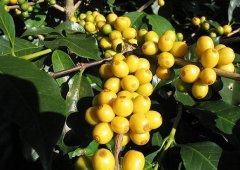
A brief introduction to the Origin and Development of Flower-scented Apricot Coffee beans in Ethiopia
Ethiopia grows coffee in different climatic zones, so it has more than 140 farm varieties, and fresh coffee is produced all the year round. The quality of Ethiopian coffee varies according to different elevations and regional ecological environment. The Harar coffee in the southeast highland is a typical Muha coffee with a strong flavor; the coffee produced in the southwest Wollega has a rich fruity flavor; Limu coffee

A brief introduction to the Market Price of Fine Coffee Bean varieties in Ethiopia (Ethiopia) Coffee Manor
The world-famous Ethiopian coffee is mainly: 1. Limu coffee grows between 1400 meters and 2000 meters above sea level. Wash the coffee. Excellent quality, with strong nut aromas, suitable acidity, with the intensity of wine. The annual output is 29000 tons. 2. Jima Coffee grows between 1400 and 1800 meters above sea level. Sun-baked coffee. Slightly sour, with nutty aromas and a long finish.

Coffee bean producing areas-Africa-Ethiopia (Ethiopia)
Well-known representative coffee: Mocha Harra, Yirgacheffe Essex across the Red Sea and Yemen, is the first place in the world to find coffee trees in Arabica, and coffee is grown almost everywhere in the country. Among them, the eastern Highland Hara (Harra) produces the famous Halamoka, which has a special wine aroma and acidity, and a Yemeni mocha.

The taste of boutique Ethiopian coffee the introduction of Blue Mountain Coffee of Ethiopia
The birthplace of coffee-Ethiopia. The coffee tree originated in Ethiopia, which was originally a wild plant here, and the name coffee comes from the Ethiopian town of Kaffa. In fact, many coffee trees in Ethiopia are still wild plants, and the coffee grown on this coffee tree is full-grained and slightly alcoholic. Humans may have been in the 9th century.

How is the planting of single bean in Ethiopia? introduction to the award winning of single bean in Ethiopia
Professional baristas Please pay attention to the coffee workshop (Wechat official account cafe_style) because of the different planting methods, coffee can be divided into three types: forest-semi-forest coffee (Forest or semi-forest coffee), courtyard coffee (Garden coffee) and plantation coffee (Plantation coffee). 60% of the coffee belongs to forest-semi-forest coffee. In such a wild place
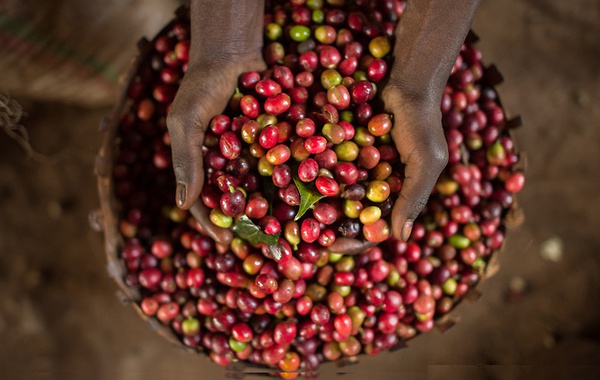
Coffee from Ethiopia, the birthplace of coffee, introduces how Ethiopian coffee powder
Ethiopia is one of the major producers of Arabica coffee in Africa, producing the best Arabian coffee in the world. It is said that coffee was first discovered by shepherds in Essekafa, and the name of coffee evolved from Kafa, so Essex is still the hometown of coffee. The geographical environment of coffee production and processing is very suitable for coffee growth. Coffee is mainly cultivated.

The method of growing Ethiopian coffee beans the price of fine coffee in Ethiopia
The birthplace of coffee-Ethiopia. The coffee tree originated in Ethiopia, which was originally a wild plant here, and the name coffee comes from the Ethiopian town of Kaffa. In fact, many coffee trees in Ethiopia are still wild plants, and the coffee grown on this coffee tree is full-grained and slightly alcoholic. Humans may have been in the 9th century.

Introduction of Ted Manor in the Sidamo producing area of Ethiopia in the tropical forest at an altitude of 1600m to 1800m.
Ethiopia (Ethiopia, Ethiopia), latitude 6 to 9 degrees north. Tropical forests ranging from 34 to 40 degrees east longitude, 1600 to 1800 m above sea level. Ethiopia produces between 200000 and 250000 tons of coffee each year. Today, Ethiopia has become one of the largest coffee producers in the world, ranking 14th in the world and fourth in Africa. Essene

The wild taste of Ethiopia Xiachisuo coffee production area planting market environment brief introduction
Washed Yerga Sherfi is one of the world's finest high quality coffee, with soft acidity and rich body. Top and Bebeka coffee, low in acidity but high in body, is an indispensable member of blended coffee. Ethiopian washed coffee Yirgacheffe G1 G2 Sidamo. The highest grades are Grade II and Grade III (G2, G3). Sun-processed in eastern Ethiopia.

Characteristic species of sun-dried coffee beans in Humbera Manor, Ethiopia
The characteristic types of sun-dried coffee beans in Humbera Manor in Ethiopia are in Ethiopia. The grading and quality control system of coffee is divided into three levels: producer, regional and national. All coffee is inspected by local inspection agencies before leaving the country of origin, and then re-tested at the coffee inspection and grading centers in Addis and Diredawa to determine its quality grade. Coffee is auctioned and sold.

Boutique coffee beans common sense Ethiopian mocha coffee beans
Ethiopia (Ethiopia) is one of the major producers of Arab coffee beans in Africa, producing the best Arab mocha beans in the world. It is said that coffee beans were first discovered by shepherds in the Kafa region of Ethiopia, and the name of coffee evolved from Kafa, so Ethiopia is still the hometown of coffee. Production and processing of coffee beans in Ethiopia

How about red cherry coffee at the processing station in Santa Vini, Ethiopia? Santavini, Ethiopia
Professional coffee knowledge exchange more coffee bean information please follow the coffee workshop (Wechat official account cafe_style) Qianjie coffee Ethiopia Santa Vini processing station red cherry washing origin. SIDAMO ZONE,SNNP,ETHIOPIA processing plant. Santa Vini treatment station variety: local native species treatment.: washing this batch of water washing Hidamo is from Santa Vini.

Ethiopia Sidamoth Estate Coffee Flavor Description Grind Treatment Taste Region Introduction
From a historical point of view, coffee has a great relationship with the history and religious culture of Ethiopia. In ancient times, Ethiopia was called Abyssinia, which was the country of Axum and belonged to the Solomon Dynasty. According to literature records, Hamitic people migrated from Asia Minor to present-day Ethiopia. Semitic merchants from about 7 BC

Introduction to the Flavor of Sidamo Coffee from the processing Plant of Kenebata Durame Hill in Ethiopia
Professional baristas please follow the coffee workshop (Wechat official account cafe_style) Ethiopia Sidamo Kenebata Durame hill processing plant G3 sun beans in Ethiopia will add 3 and 4 after the name to make a difference (with 3 better quality), coffee cherries will be dried in the bean drying farm with peel and pulp immediately after harvest until the coffee is dried to 16% moisture.

Introduction to the Flavor and Taste of Coffee in Xidamo Shachiso area of Ethiopia
Ethiopia is rectangular, with a ratio of length to width of 3:2. From top to bottom, it is composed of green, yellow and red parallel equal horizontal rectangles, with the national emblem in the middle of the flag. Since the end of the 19th century, Ethiopia began to use the green, yellow and red cross-striped national flag. In modern history, Ethiopia is the first African country to join the forest of free nations. [8] to this century
Coffee originated in Ethiopia.
Ethiopia in East Africa means the land inhabited by people tanned by the sun in ancient Greek. Ethiopia's unique cultural tradition, spectacular scenery, pleasant climate, rich animal and plant resources, important places of interest, hospitality and friendly people make it one of the major tourist destinations in Africa. The name Coffee comes from kaffa in Ethiopia, you know.

A brief introduction to the History and Culture of the Origin and Development of Fine Coffee beans in Ethiopia (Ethiopia) Coffee Manor
The world-famous Ethiopian coffee is mainly: 1. Limu coffee grows between 1400 meters and 2000 meters above sea level. Wash the coffee. Excellent quality, with strong nut aromas, suitable acidity, with the intensity of wine. The annual output is 29000 tons. 2. Jima Coffee grows between 1400 and 1800 meters above sea level. Sun-baked coffee. Slightly sour, with nutty aromas and a long finish.

Ethiopia Yega Coffee Coffee producing area, Sidamo Province, Sidamo Gedeo District?
Today, Ethiopia is an important coffee producer, with about 12 million people engaged in coffee production and a major exporter of Arabica coffee beans in Africa. The high-quality coffee here is of excellent quality and is worth looking for. A variety of coffee cultivation methods can be found in Ethiopia: from wild coffee forests and semi-developed land